
Since conflict involving Iran escalated in late February, the effects have stretched far beyond the immediate region. While the humanitarian crisis remains at the center of concern, the rest of the world is also feeling the consequences through disrupted trade, rising fuel costs, and increasing economic instability.
The Strait of Hormuz, one of the world’s most important oil shipping routes, has become a major pressure point. With instability affecting the movement of nearly 20% of daily global oil supplies, fuel prices have surged, shipping schedules have been delayed, and industries around the world are facing growing uncertainty.
For East Africa, these disruptions hit particularly hard. Many countries in the region depend on imports of fuel, fertilizer, and key raw materials passing through Gulf trade routes. Delays are not only increasing costs but also slowing industrial production, placing added strain on communities and businesses already navigating economic challenges. Ongoing disruptions in the Red Sea have only deepened these pressures.
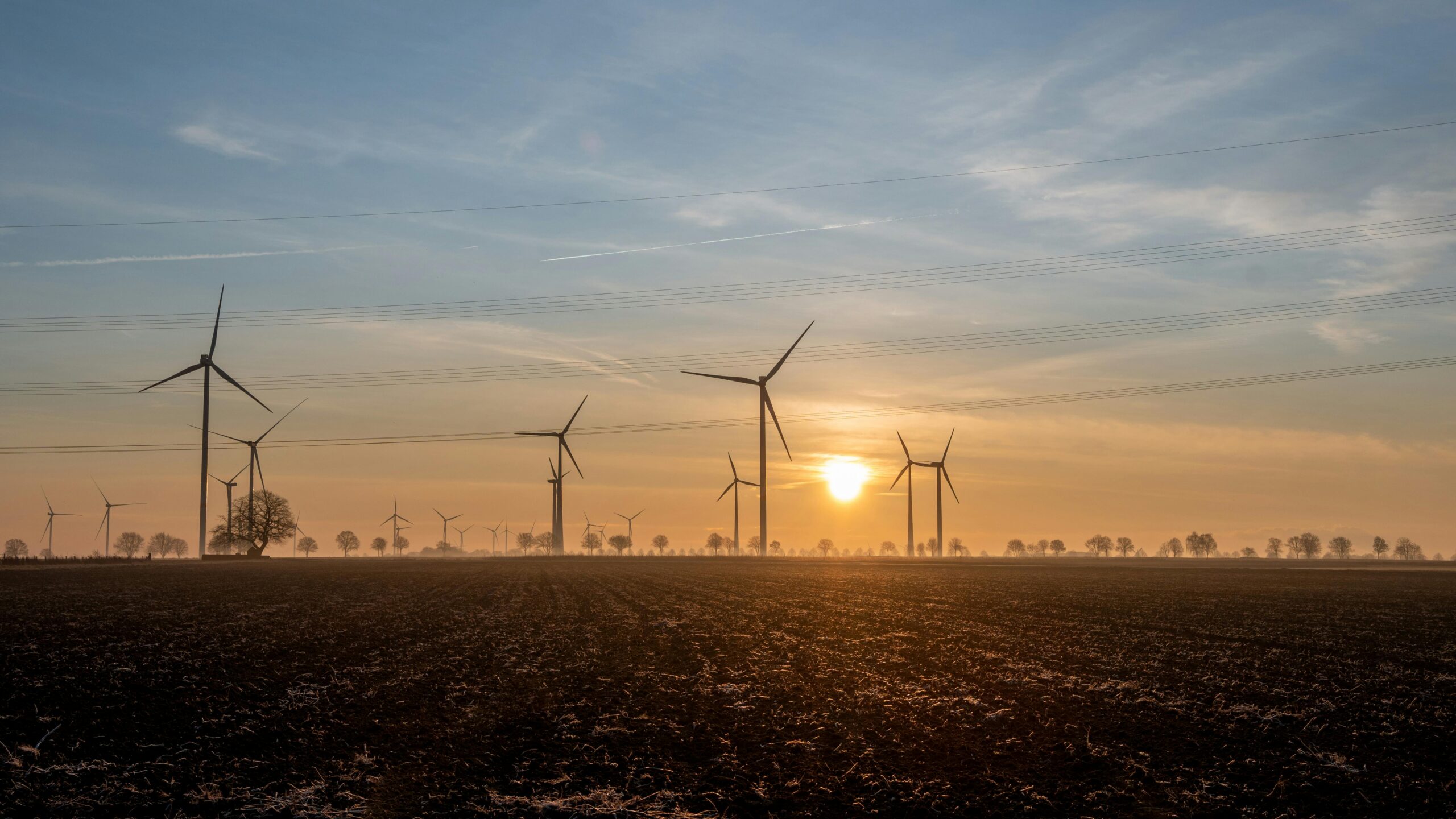
While no conflict brings true positives, this moment does highlight an important reality: the world’s heavy dependence on fossil fuels leaves us environmentally, economically, and politically vulnerable.
As traditional energy systems face disruption, the urgency of investing in renewable energy becomes even clearer. Clean energy is no longer just about reducing emissions. It is about building resilience, protecting economies, and creating more secure futures for communities worldwide.
Why This Matters to Nature’s Pitch
At Nature’s Pitch, we believe sustainability goes beyond conservation. It’s about strengthening communities and creating systems that can withstand global shocks.
This crisis reinforces the importance of:
- Supporting renewable energy solutions
- Strengthening local food and agricultural systems
- Reducing dependence on fragile international supply chains
- Investing in sustainable innovation that benefits both people and planet
Moving Forward
Moments like these remind us how interconnected our world truly is. Environmental sustainability, economic resilience, and human wellbeing are deeply linked.
As global systems face increasing strain, we have an opportunity not just to respond, but to rethink how we build our future. One that is cleaner, stronger, and more sustainable for everyone.
The challenge ahead is significant, but so is the opportunity for transformation.

Moments like these remind us how interconnected our world truly is. Environmental sustainability, economic resilience, and human wellbeing are deeply linked.
As global systems face increasing strain, we have an opportunity not just to respond, but to rethink how we build our future. One that is cleaner, stronger, and more sustainable for everyone.
The challenge ahead is significant, but so is the opportunity for transformation.