

Did you know that to produce just 1 kilogram of honey, bees collectively visit about 4 million flowers? Within a single minute, they flap their wings roughly 11,400 times. And despite their bad reputation, bees are actually far less aggressive than wasps. In fact, honeybees can only sting once before they die.
All this effort, sacrifice, and relentless work goes toward something most of us barely think about: keeping our food systems alive.
When it comes to the global ecosystem, bees are indispensable. You have probably heard about their dwindling numbers, but do you know why this is happening?
By now, most people know that bees are pollinators. Without them, the world would experience a scarcity of daily staples such as coffee, apples, and avocados…not to mention honey. Forget about honey for one second, but a lack of avocados truly gives me pause.
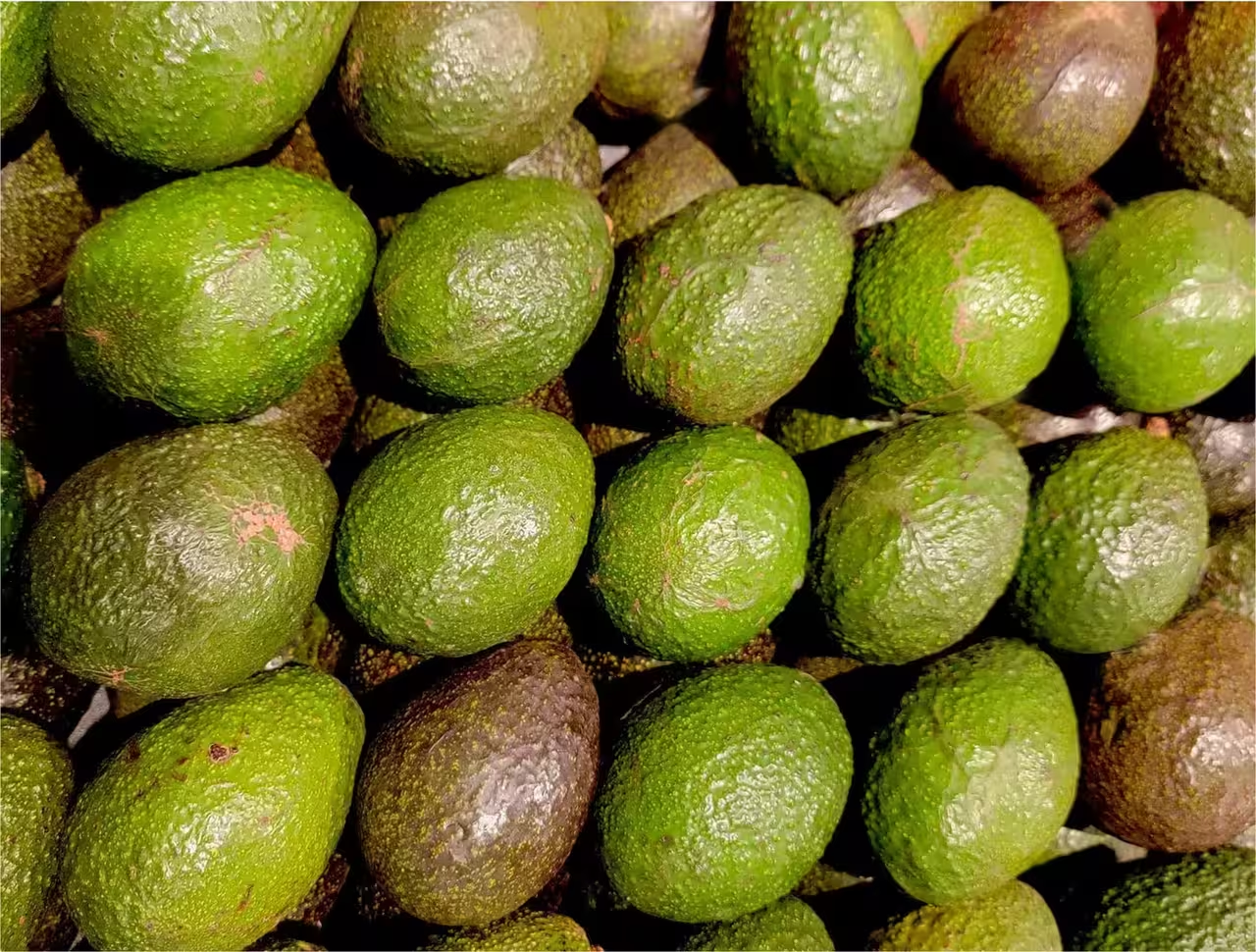
But bee pollination goes far beyond trendy foods. Nearly one-third of global food production depends on pollinators like bees. In economic terms, pollination contributes hundreds of billions of dollars to global agriculture every year. These tiny creatures are carrying an enormous responsibility.
And bees are astonishingly intelligent for insects. They can recognize human faces, communicate through movement using the famous “waggle dance,” and work together with remarkable efficiency inside highly organized colonies. A single hive can contain up to 60,000 bees during peak season, each with a specific role that helps the colony survive.
So if bees are this important, why are they dying off?
It is easy to celebrate industrial and technological growth as symbols of human progress. But growth often comes at a cost. As urban areas expand and green spaces are replaced with concrete jungles, bees lose access to the diverse plants they rely on for nutrition. Many are left feeding in monoculture farms, where vast fields contain only a single crop. Imagine eating the same meal every single day. For bees, this lack of floral diversity weakens their immune systems and overall health.
Pesticides are another major threat. Certain chemicals interfere with bees’ ability to navigate, forage, and return to their hives. In some cases, entire colonies collapse because worker bees simply cannot find their way home.
Climate change is also accelerating the crisis. Weather patterns are becoming increasingly unpredictable, causing flowers to bloom earlier or later than usual. Bees often emerge according to natural seasonal cues, only to find that their food sources are unavailable. Their timing and nature’s calendar are slowly falling out of sync.
Habitat destruction, air pollution, parasites, disease, and extreme heat further compound the problem. What we are witnessing is not just the decline of a species. It is the destabilization of a system that quietly supports life on Earth.
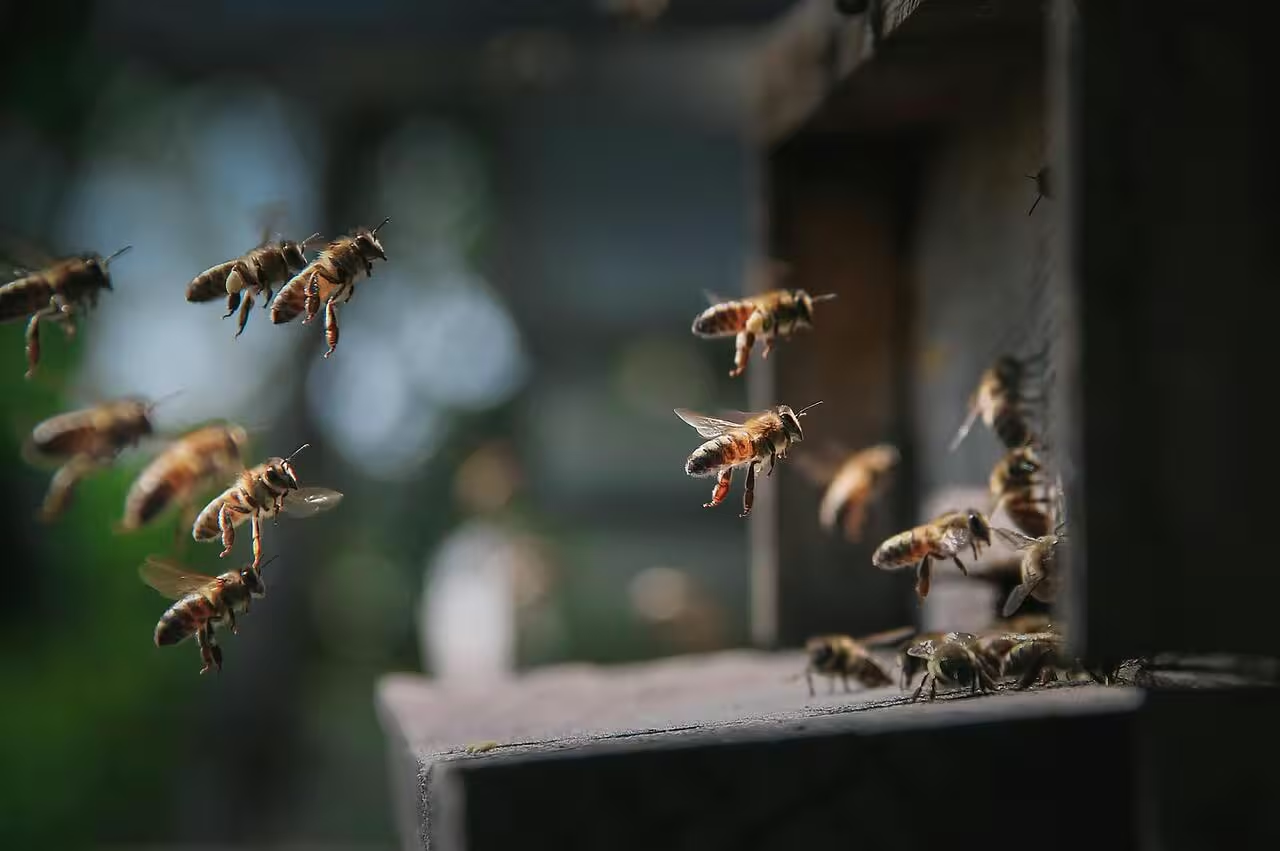
The good news is that small actions can still make a difference.
Planting bee-friendly flowers, reducing pesticide use, supporting local farmers, preserving natural spaces, and even leaving small patches of wild plants untouched can help pollinators thrive. Urban gardens and balconies can become miniature sanctuaries for bees in cities dominated by steel and concrete.
World Bee Day is not just about celebrating honey. It is about recognizing the invisible workforce that sustains ecosystems, biodiversity, and much of the food on our plates.
So the next time you sip your coffee, slice an apple, or spread avocado on toast, remember the tiny winged workers who made it possible.
The future of bees and the future of humanity are more connected than we often realize.